Dentures

There is sufficient evidence that interventions to provide dental rehabilitation involving the provision and installation of dentures contribute to improved health and social outcomes.

This assessment was made possible through support from Elevance Health. HealthBegins retains full editorial independence, and the content herein reflects its sole views and conclusions.

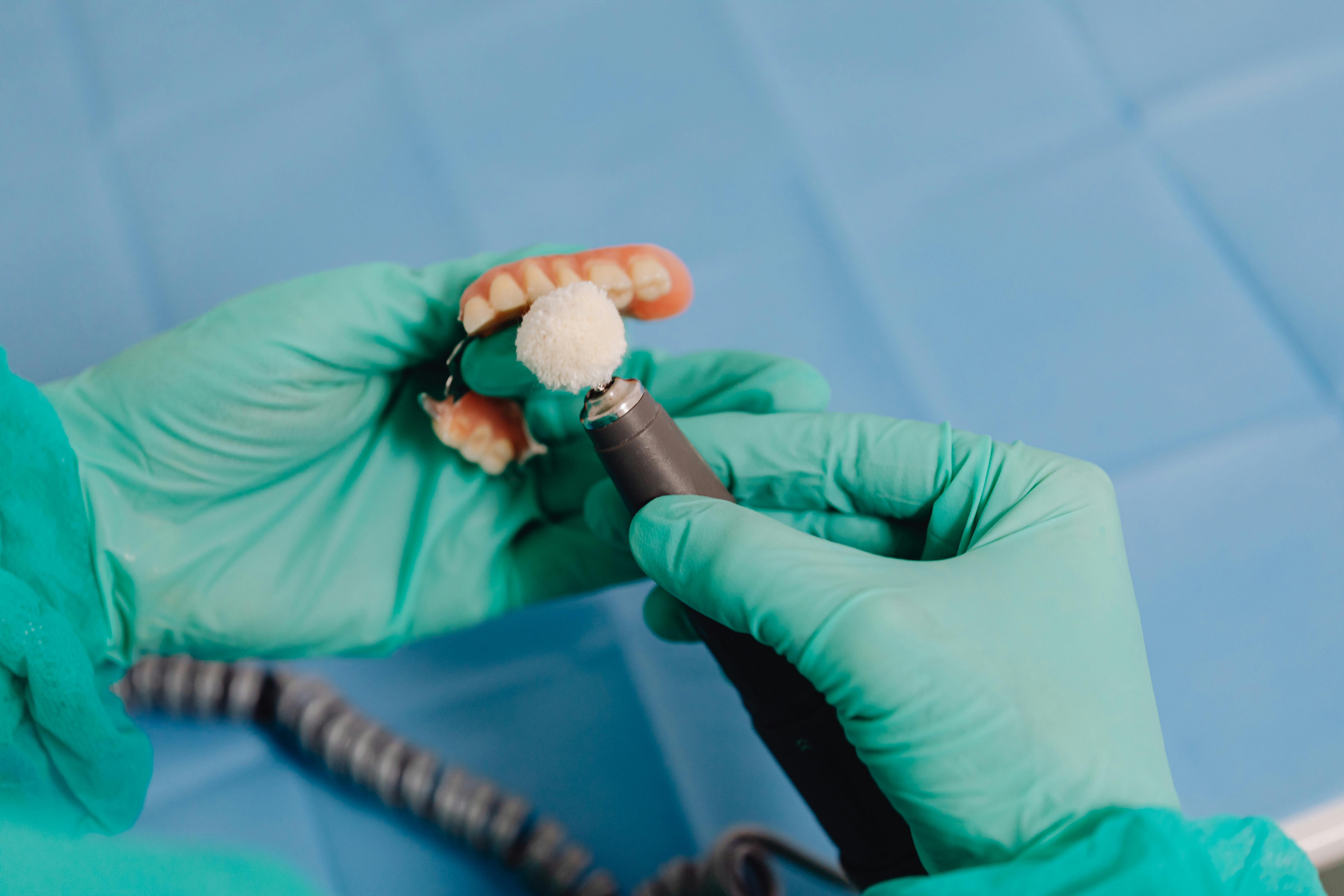
Assessment Post Image

Study Characteristics and Contextual Tags

chevron
Impact Assessment

The findings below synthesize the results of the studies on denture treatment across three domains of measurement:

  • Healthcare Cost, Utilization & Value: More evidence is needed to assess the impact of dentures on healthcare cost, utilization & value, given that none of the reviewed studies measured these domains.
  • Health: There is sufficient evidence that denture treatment contributes to improved health outcomes. Consistent findings across multiple pre-post analyses and observational studies indicate significant clinical improvements in functional outcomes, specifically chewing and restoring the shape of the face. Furthermore, prosthetic interventions were associated with a marked reduction in painful aching and difficulties in performing usual activities.
  • Social: There is sufficient evidence that dentures contribute to improved social outcomes, including enhanced quality of life and increased social participation. The majority of reviewed studies, including systematic reviews, documented significant improvements in Oral Health-Related Quality of Life, participation in social activities, patient satisfaction, as well as aesthetic benefits. However, one systematic review noted no observed quality-of-life improvements. The evidence base would benefit from more large-scale randomized controlled trials to confirm long-term social benefits.
Background of the Need / Need Impact on Health

Edentulism, which is the complete or partial loss of natural teeth, affected about 13.54% of US adults in 2020[1]. Tooth loss is a significant concern in older people, and is often associated with limited access to preventive care[2], as well as a spectrum of other health conditions, including periodontitis and dental caries (cavities), and pre-existing chronic conditions such as diabetes.  

The Centers for Disease Control and Prevention (CDC) notes that tooth loss can lead to reduced self-esteem, difficulty communicating, a poorer diet, and a reduced quality of life overall[3]. The impact of untreated tooth loss extends far beyond oral health, directly influencing systemic well-being and cognitive function. Older adults without teeth may adjust their diets to accommodate this challenge, often avoiding fibrous fruits and vegetables in favor of softer foods, which tend to be higher in saturated fats and processed carbohydrates[4]. 

A meta-analysis of studies also found that individuals with more missing teeth were 48% more likely to be at risk of cognitive impairment and have a 28% higher risk of dementia. This finding was attributed to nutritional deficiencies, inflammation, socioeconomic challenges, and a possible neglect of oral hygiene that could be co-occurring with tooth loss[5]. Untreated tooth loss can create a burden for individuals as well as the healthcare system. Chronic oral diseases that lead to edentulism contribute to a national loss of over $45 billion in productivity annually. When older adults lack access to restorative care like dentures, they are more likely to seek treatment in hospital emergency departments for non-traumatic dental conditions, which cost the US healthcare system approximately $3.4 billion per year[6].

Background on the Intervention

Managing complete or partial edentulism involves making and fitting removable complete or partial dentures for a person who needs them. This helps to restore the individual’s ability to bite and chew, reduces the deterioration of their jawbone, provides better support for their facial muscles, and improves their ability to communicate clearly[7]. However, dentures are excluded from Original Medicare coverage, making them difficult to access. Under the Social Security Act, Medicare Parts A and B generally do not cover routine dental services or dentures[8]. While some Medicare Advantage (Part C) plans offer supplemental dental benefits, these benefits often have annual caps and thus often do not cover the full cost of major restorative work like dentures[9]. At the state level, Medicaid reimbursement for adult dentures is optional, and while some states offer a wide range of benefits, others limit coverage to emergency services or provide no denture benefits at all for adult beneficiaries[10].

Additional Research and Tools
Evidence Review
Note: The vocabulary used in the table is the same terminology used in the study in order to preserve the integrity of the summary. 
Study
Population
Intervention Summary
Type of Study Design
Outcomes

26 men and 41 women, aged between 75 and 99, in 10 nursing homes in the Lombard district who required support with daily living due to age-related functional declines.

Oral prosthetic rehabilitation.

Pre-post analysis. N=67.

Social: Despite ongoing difficulties in chewing with the new prosthesis, residents were able to eat and did not refuse eating regularly after being fitted. Only 19.3% of men and 22% of women continued to eat smaller portions. 

In addition, 73% of men and 88% of women reported an improvement in participation in social activities; in particular, during meals, 35 residents conversed with the other residents.

Patients with some or all missing teeth seen at the College of Dentistry, Imam Abdulrahman Bin Faisal University, Saudi Arabia, between November 2022 and September 2023. Eligible participants were those aged between 26 and 80, in need of prosthetic treatment, and able to complete the questionnaire voluntarily. 

Out of 108 participants, 65 were males, and 43 were females, with an average age of 52 years. Patients had different prosthetic treatments (13.9% fixed prostheses, 43.5% removable partial, and 42.6% complete dentures). 59.3% brushed their teeth twice or more daily, and only 36.1% checked them regularly.

Prosthetic rehabilitation.

Pre-post analysis. N=108 patients.

Social: Comparison between the Oral Health Impact Profile 14 (OHIP-14) items before and after treatment revealed that subjects exhibited improvement across all the domains. 

OHIP-14 scores did not differ significantly by age, gender, and education after treatment, but were higher for patients with medical conditions (p=0.007) and among complete denture wearers compared with patients with fixed prostheses (p=0.025). 

Prosthetic treatment was associated with improvements in oral health-related quality of life (OHRQoL), observed after treatment, particularly in the social domain. There was an association between patients’ medical condition, prosthesis type, and OHIP-14 score.

Patients in Brazil who had lost their natural teeth (edentulous).

Patients were divided into three groups: G1 = edentulous in maxillary arch (N=68, mean age=61.37 ± 8.91 years); G2=completely edentulous (N=50, mean age=65.14 ± 8.91 years); and G3=control group (dentate, N=30, mean age=60.03 ± 6.88 years).

Oral rehabilitation with conventional complete dentures (CDs).

Observational study with a comparison group. N=148, of which 108 were missing some or all teeth and 30 were controls who were dentate.

Social: Treatment significantly improved oral health-related quality of life after three months of prosthesis use, and this effect was maintained during all 12 months of evaluation (p>0.05). Oral rehabilitation with conventional CDs in one or both arches improved oral health-related quality of life in edentulous patients after three months of prosthesis use, and its effect was maintained for up to 12 months.

People without teeth in Romania. The demographic breakdown included 25 female patients (48.1%) and 27 male patients (51.9%). The mean age of the participants was 60.56 ± 9.26 years at the time of the first questionnaire and 62.06 ± 9.26 years at the second.

Implant-supported dentures.

Pre-post analysis. N=52.

Health: The proportion of patients reporting “never” experiencing difficulty chewing any foods increased from 1.9% at baseline to 57.7% post-treatment. Similarly, those reporting “never” experiencing painful aching rose from 3.8% to 76.9%. There was also a notable reduction in discomfort regarding the appearance of mouth, dentures, or jaws from 3.8% reporting “never” at baseline to 75% post-treatment. The improvements in sense of taste and difficulty in performing usual activities saw comparable increases. 

Social: The findings support the hypothesis that implant-supported complete dentures are associated with significant improvements in oral health-related quality of life among elderly edentulous patients, with improvements noted in mastication ability, pain reduction, aesthetics, taste perception, and activity performance. These results underscore the value of prosthetic interventions in dental care to substantially improve patients’ oral health-related quality of life.

Patients with missing teeth who received domiciliary denture treatment between February 2021 and April 2022. All subjects were community-dwelling older adults with impaired mobility who were unable to access routine outpatient dental care.

Denture treatment via the Community Elderly Oral Health Program, a domiciliary initiative delivered by the Affiliated Stomatology Hospital of Zhejiang University School of Medicine between February 2021 and April 2022.

Each participant received standardized domiciliary oral-health services, including provision of new complete or removable partial dentures, adjustment or relining of existing prostheses, and preventive maintenance, all implemented according to a predefined clinical protocol. Regular follow-up visits were scheduled to monitor treatment outcomes and maintain oral health.

Pre-post analysis. N=19.

Health: In this small, exploratory study, at the three-month post-denture delivery assessment, masticatory performance saw a significant enhancement (p = 0.039). In terms of facial contour, significant post-rehabilitation increases were observed in the lower third facial height (Sn-Gn; Sn-Pg), upper lip height (Sn-Ls), mouth width (ChR-ChL), and lower facial convexity (Sn-St-Pg) (p< 0.05). Conversely, facial convexity excluding the nasal component (N-Sn-Pg) decreased significantly (p = 0.029).

Social: At the three-month post-denture delivery assessment, oral health-related quality of life showed a significant improvement (p = 0.002) and remained stable throughout the 12-month follow-up period, aligning with high patient satisfaction. Nutritional status also improved marginally following rehabilitation, though the change was not statistically significant (p > 0.05).

Systematic Reviews
Note: The vocabulary used in the table is the same terminology used in the study in order to preserve the integrity of the summary. 
Study
Population
Intervention Summary
Type of Study Design
Outcomes
Ky et al. (2022)

Adults aged 65 years and older of any sex with missing teeth (complete edentulism).

Clinical interventions aiming to improve oral health-related quality of life. The majority of studies were conducted in adults with complete edentulism (70%) and mainly focused on implant provision to support a removable prosthesis (30%).

Systematic review. 20 articles met the inclusion criteria, of which 16 were randomized controlled trials, and 4 were randomized crossover trials.

Social: Of the 20 articles that met the eligibility criteria, nine (45%) reported a statistically significant improvement in oral health-related quality of life.

Martins et al. (2021)

Patients with missing teeth.

The long-term use of complete dentures (CD).

Systematic review and meta-analysis. 24 articles were included in the qualitative synthesis.

Social: The use of CD did not improve oral health-related quality of life (OHRQoL) in a period of three months through the assessment of the Geriatric Oral Health Assessment Index (GOHAI) instrument (p=0.55; confidence interval [CI]: 6.86 [−15.60, 29.31]), and Oral Health Impact Profile-14 (OHIP-14) (p=0.05; CI: −14.91 [−29.87, 0.04]), with very low certainty of evidence. At 6 months, GOHAI instrument (p<0.00001; CI: 16.22 [10.70, 21.74]), OHIP 20 (p=0.02; CI: −11.09 [−20.54, −1.64]) and OHIP-EDENT (p=0.0004; CI: −8.59 [−13.32, −3.86]) showed improvement on oral health-related quality of life , with very low and low evidence of certainty, respectively.

Sikri et al. (2025)

Patients undergoing oral rehabilitation.

Oral rehabilitation involving the use of immediate complete dentures.

Systematic review. 19 studies met the inclusion criteria.

Social: The use of immediate complete dentures (ICDs) is an effective technique for the functional and aesthetic rehabilitation of patients who require immediate dentures after dental extractions.

Patients who undergo treatment with ICDs show a high satisfaction rate with the treatment outcomes.

Assessment Synthesis Criteria
Strong Evidence
There is strong evidence that the intervention will produce the intended outcomes.
  • At least one well-conducted systematic review or meta-analysis (including two or more large, randomized trials) showing a significant and clinically meaningful health effect; and  
  • Consistent findings of health effects from other studies (cohort, case-control, and other designs).
Sufficient Evidence
There is sufficient evidence that the intervention will produce the intended outcomes.
  • At least one well-conducted systematic review or meta-analysis (including two or more large, randomized trials) showing a significant and clinically meaningful health effect, but inconsistent findings in other studies; or
  • Consistent findings from at least three non-randomized control trial studies (cohorts, practical trials, analysis of secondary data); or
  • A single, sufficiently large well-conducted randomized controlled trial demonstrating clinically meaningful health effect and consistent evidence from other studies; or 
  • Multiple expert opinions/government agencies supporting the intervention.
More Evidence Needed or Mixed Evidence
There is insufficient evidence that the intervention will produce the intended outcomes, however the results may indicate potential impact.
  • Lack of demonstration of improved health outcomes based on any of the following: (a) a systematic review or meta-analysis; (b) a large randomized controlled trial; (c) consistent positive results from multiple studies in high-quality journals; or (d) multiple expert opinions or government agencies supporting the intervention. 
  • An insufficient evidence rating does not mean there is no evidence, or that the intervention is unsafe or ineffective. 
  • In many cases, there is a need for more research or longer-term follow-up.
There is strong evidence that the intervention will produce the intended outcomes.
There is sufficient evidence that the intervention will produce the intended outcomes.
There is insufficient evidence that the intervention will produce the intended outcomes, however the results may indicate potential impact.
  • At least one well-conducted systematic review or meta-analysis (including two or more large, randomized trials) showing a significant and clinically meaningful health effect; and  
  • Consistent findings of health effects from other studies (cohort, case-control, and other designs).
  • At least one well-conducted systematic review or meta-analysis (including two or more large, randomized trials) showing a significant and clinically meaningful health effect, but inconsistent findings in other studies; or
  • Consistent findings from at least three non-randomized control trial studies (cohorts, practical trials, analysis of secondary data); or
  • A single, sufficiently large well-conducted randomized controlled trial demonstrating clinically meaningful health effect and consistent evidence from other studies; or 
  • Multiple expert opinions/government agencies supporting the intervention.
  • Lack of demonstration of improved health outcomes based on any of the following: (a) a systematic review or meta-analysis; (b) a large randomized controlled trial; (c) consistent positive results from multiple studies in high-quality journals; or (d) multiple expert opinions or government agencies supporting the intervention. 
  • An insufficient evidence rating does not mean there is no evidence, or that the intervention is unsafe or ineffective. 
  • In many cases, there is a need for more research or longer-term follow-up.
Sources

[1] Centers for Disease Control and Prevention. (2024, May 15). Health Disparities in oral health. https://www.cdc.gov/oral-health/health-equity/index.html

[2] Iacob, S., Chisnoiu, R. M., Zaharia, A., et al. (2025). Correlation Between Type of Edentulism, Age, Socioeconomic Status and General Health. Journal of Clinical Medicine, 14(11):3924. https://doi.org/10.3390/jcm14113924

[3] Centers for Disease Control and Prevention. (2024, May 15). About Tooth Loss. https://www.cdc.gov/oral-health/about/about-tooth-loss.html

[4] Janto, M., Iurcov, R., Daina, C.M., et al. (2022). Oral Health among Elderly, Impact on Life Quality, Access of Elderly Patients to Oral Health Services and Methods to Improve Oral Health: A Narrative Review. J Pers Med, 12(3):372. doi: 10.3390/jpm12030372

[5] Geriatric House Call Dentistry. (2025, May 28). Tooth Loss and Dementia: Understanding the Connection in Older Adults.https://www.geriatrichousecalldentistry.com/tooth-loss-and-dementia-understanding-the-connection-in-older-adults/

[6] CareQuest Institute for Oral Health. (2022, May). Recent Trends in Hospital Emergency Department Visits for Non-Traumatic Dental Conditions.https://carequest.org/recent-trends-in-hospital-emergency-department-visits-for-non-traumatic-dental-conditions/

[7] Raynham Dental Group.(2025, April 1). Why Dentures Are a Reliable Solution for Seniors. https://raynhamdentalgroup.com/why-dentures-are-a-reliable-solution-for-seniors/

[8] Social Security Administration. Exclusions from Coverage and Medicare as Secondary Payer. https://www.ssa.gov/OP_Home/ssact/title18/1862.htm

[9] Freed, M., Ochieng, N., Amin, K., Sroczynski, N., Damico, A. (2021, July 28). Medicare and Dental Coverage: A Closer Look. KFF. https://www.kff.org/medicare/medicare-and-dental-coverage-a-closer-look/

[10] Center for HealthCare Strategies. (2019, September). Medicaid Adult Dental Benefits: An Overview. https://www.chcs.org/resource/medicaid-adult-dental-benefits-overview/

Share Your Needs or Insights

Request a topic or share new data with us.
This field is required.
Thank you! Your submission has been received!
Oops! Something went wrong while submitting the form.